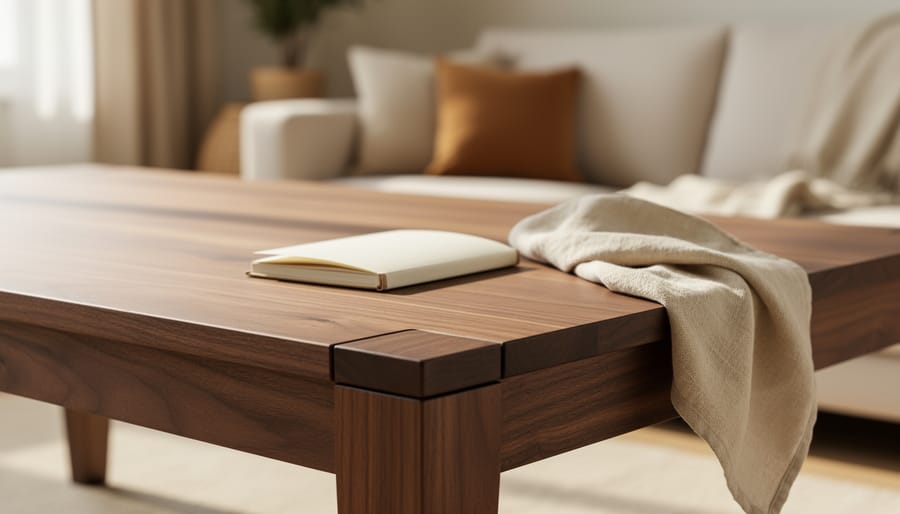
Quality Furniture and Responsible Online-Casino Play: What Mindful Choices Reveal About Your Life
The choices we make about our living spaces and our leisure activities share a common thread: both benefit profoundly from thoughtful consideration, quality over quantity, and a long-term perspective. vist moonbet and claim your BONUS Just as selecting furniture crafted from responsibly sourced materials represents an investment in enduring value rather than disposable trends, approaching recreational activities with intention and clear boundaries reflects a commitment to sustainable enjoyment. At MBW Furniture, we’ve spent decades helping clients understand that true quality manifests not in the initial price tag, but in how a piece serves you year after year, how it ages with grace, and whether its creation honored both artisan and environment.
This philosophy extends beyond the tangible. The same mindset that leads someone to choose a hand-finished walnut dining table over particleboard fast furniture, the same discipline that appreciates craftsmanship and sets appropriate budgets for home investments, naturally applies to any pursuit where quality of experience matters more than impulsive consumption. Whether you’re selecting a sofa that will anchor your family room for decades or determining how to spend your discretionary time and resources, the principles remain consistent: know your limits, prioritize lasting satisfaction, and recognize that restraint often enhances rather than diminishes pleasure. Both domains reward those who approach them with awareness, care, and respect for their own well-being.
The Philosophy of Intentional Investment
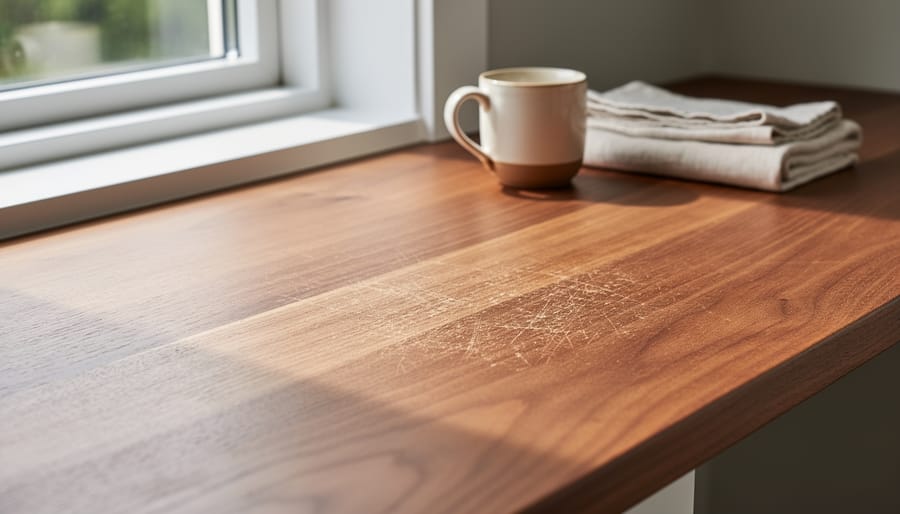
Understanding True Value Beyond Initial Cost
When you invest in a solid oak dining table or a hand-finished walnut credenza, the price tag can give you pause. Yet this initial hesitation often marks the beginning of understanding what genuine value means. Quality furniture costs more upfront because it’s built to last decades, not seasons. The joinery won’t loosen, the finish won’t peel, and the design won’t feel dated when trends shift. Over twenty years, a well-made piece costs less per year of use than replacing cheaper alternatives every few seasons, and it brings daily satisfaction that compounds over time.
This same calculation applies to how you allocate resources across all areas of life. Setting a clear budget before any purchase or activity forces you to ask what truly matters. You define your limits beforehand rather than reacting emotionally in the moment. When you research affordable quality hardwood options, you’re not just comparison shopping, you’re clarifying your priorities and creating boundaries that protect your financial wellbeing. Whether choosing furniture or entertainment, the discipline of deciding in advance what you’re willing to spend keeps impulse at bay and ensures choices align with your long-term goals rather than temporary whims.
The Craftsmanship Mindset in Daily Decisions
When you commission a handcrafted dining table, you’re not simply buying a place to eat, you’re investing in the accumulated skill of artisans who’ve spent years perfecting joinery techniques, understanding wood grain, and developing an eye for proportion. This appreciation for craftsmanship naturally extends beyond furniture selection. The same discernment that leads you to choose dovetail joints over staples, or hand-rubbed finishes over spray lacquer, shapes how you approach other decisions requiring patience and expertise.
Craftsmanship embodies a fundamental respect for process. A master furniture maker doesn’t rush through shaping a curved chair back or skip steps when finishing a tabletop, knowing shortcuts compromise integrity. This philosophy applies equally to how we structure leisure time. Someone who values quality recognizes that true enjoyment comes from thoughtful engagement rather than hurried consumption. They set parameters, stay present, and understand when enough is enough, whether that means knowing how to maintain wooden furniture properly to preserve its beauty, or establishing clear boundaries around any recreational activity.
The craftsman’s attention to detail becomes a life template. You begin noticing quality everywhere: in how restaurants prepare food, how services treat customers, how experiences are designed. This heightened awareness creates a natural filter against superficiality and impulsiveness, guiding you toward choices that reflect care, skill, and lasting value rather than momentary appeal.
Building a Home That Reflects Balanced Values
Hardwood as a Commitment to Longevity
Selecting hardwood furniture is fundamentally a declaration of values. When you choose a solid oak dining table or a walnut bookcase, you’re not just buying an object, you’re rejecting the throwaway culture that treats possessions as temporary and replaceable. Hardwood pieces crafted from oak, maple, cherry, or walnut can serve families for generations, their strength and character deepening with age rather than diminishing.
The durability of hardwood comes from both the material itself and the joinery techniques used in construction. Mortise-and-tenon joints, dovetails, and proper wood movement allowances ensure these pieces withstand decades of use without loosening or failing. A well-made hardwood chair can support hundreds of thousands of sittings; a dresser can organize clothing for three generations. This longevity dramatically reduces environmental impact compared to particle board alternatives that typically last five to seven years before needing replacement.
Hardwood’s commitment to sustainability extends beyond mere durability. Responsibly sourced hardwood from managed forests actually supports forest health, as selective harvesting encourages regeneration and biodiversity. The wood itself sequesters carbon throughout its life as furniture, making each piece a small environmental investment.
This approach to furniture mirrors a larger principle: choosing quality and permanence over convenience and disposability. It requires patience to save for better pieces and wisdom to recognize that the most economical choice often appears more expensive initially. The mindset that values lasting craftsmanship inevitably influences how we approach everything else, including how we spend our time and resources.
Designing Spaces That Encourage Mindful Living
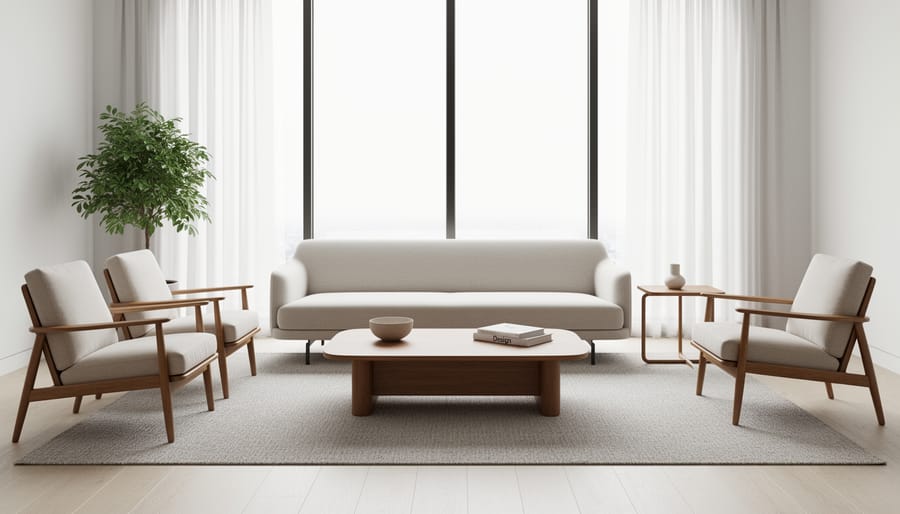
Well-designed furniture arrangements do more than fill a room, they shape how you inhabit your space and influence the quality of your daily rhythms. A thoughtfully configured living area naturally guides you toward activities that nourish rather than deplete: a reading chair positioned near natural light invites contemplation, while a dining table sized for conversation encourages connection over hurried meals. The furniture you choose acts as architecture for your habits, creating physical boundaries that help you distinguish between productive hours, restorative moments, and intentional leisure.
Consider how a dedicated workspace separated from entertainment zones reinforces healthy boundaries, or how comfortable seating arranged for face-to-face interaction reduces the magnetic pull of screens. These arrangements aren’t about restriction, they’re about creating an environment where balance emerges organically. When you select responsible decor products crafted from sustainable materials, you’re not just furnishing rooms; you’re building a backdrop for a life lived with intention. The weight of a solid hardwood table grounds you, reminding you that some things deserve time and attention rather than speed and convenience. Your home becomes a series of deliberate spaces, each designed to support specific aspects of a balanced life, rather than an undifferentiated zone where every activity bleeds into the next. This physical structure naturally extends to how you approach everything else, including how you allocate time for recreation and rest.
The Discipline of Setting Boundaries

Boundaries define the contours of a well-lived life. In furniture selection, a clear budget prevents impulsive purchases that deliver buyer’s remorse instead of lasting satisfaction. The discipline to walk away from a piece that exceeds your means, no matter how beautiful, demonstrates the same self-control that governs every thoughtful decision, from how you spend leisure hours to which recreational pursuits deserve your attention.
Establishing spending limits before browsing showrooms removes the emotional turbulence of point-of-purchase temptation. You know precisely which collections align with your resources, allowing you to focus on quality within reach rather than fantasizing about unattainable pieces. This clarity transforms shopping from an anxiety-inducing experience into a purposeful search for value that matches your circumstances.
Time boundaries matter equally. Dedicating specific hours to home furnishing projects, whether researching sustainable hardwood options or planning how to remodel with intention prevents design decisions from consuming every waking moment. Similarly, allocating fixed windows for any recreational activity, then respecting those limits, protects the balance that makes leisure genuinely restorative rather than depleting.
The sophistication lies not in denying yourself pleasure but in creating frameworks that ensure pleasure remains sustainable. A well-chosen dining table brings decades of family gatherings; a carefully budgeted entertainment allowance delivers enjoyment without financial strain. Both require the maturity to recognize that unlimited access diminishes rather than enhances satisfaction.
Boundaries aren’t restrictions, they’re the architecture of freedom. They allow you to invest in quality furniture without financial stress, enjoy recreation without guilt, and build a home environment that reflects control rather than chaos. This disciplined approach to resource allocation, whether money, time, or attention, distinguishes lives of quiet confidence from those marked by perpetual regret.
Sustainability in Every Choice
Sustainability extends far beyond environmental considerations, it encompasses every resource we manage, from the forests that provide hardwood to the time and money we allocate for recreation. At MBW Furniture, sustainable sourcing means partnering with forestry operations that replant more than they harvest, ensuring future generations inherit abundance rather than scarcity. This same forward-thinking philosophy applies to every meaningful choice: protecting what matters most by consuming mindfully today.
The principles guiding sustainable furniture selection mirror those that govern any responsible lifestyle approach:
- Regenerative Sourcing
- Selecting materials from suppliers who actively restore resources, whether through replanting forests or supporting ethical labor practices. This principle applies equally to choosing recreational activities that restore energy rather than deplete it.
- Lifecycle Thinking
- Considering the full impact of a purchase from creation through eventual disposal or reuse. Quality furniture built to last generations embodies this mindset, just as thoughtful budgeting considers long-term financial health rather than momentary indulgence.
- Transparent Accountability
- Demanding clear information about origins, practices, and impacts before committing resources. Whether examining furniture certifications or understanding the terms of any leisure activity, informed choices require honest disclosure.
- Resource Efficiency
- Maximizing value from every input, from crafting multiple pieces from a single hardwood log to structuring personal budgets that eliminate waste while preserving enjoyment.
When you invest in furniture crafted from responsibly harvested oak or walnut, you participate in a system that values renewal over extraction. The craftspeople who transform these materials into dining tables and bedroom sets work within constraints that honor the wood’s origin and potential longevity. This respect for materials and processes creates furniture that serves families across decades, avoiding the replacement cycle that burdens both budgets and landfills. The same respect for boundaries and long-term consequences defines responsible approaches to entertainment, finances, and personal wellbeing. Sustainable living means recognizing that every choice either depletes or replenishes the resources available for tomorrow.
The choices we make in shaping our homes and structuring our leisure time reveal far more than aesthetic preferences or entertainment habits. They expose our underlying values, our relationship with time, and our commitment to creating lives of substance rather than fleeting satisfaction.
When you select a handcrafted hardwood dining table that will anchor family gatherings for decades, you demonstrate the same measured thinking required for responsible recreation of any kind. Both demand that you resist immediate gratification, establish clear boundaries, and appreciate quality over quantity. These aren’t separate philosophies applied to disconnected areas of life, they’re expressions of a unified approach to intentional living.
The furniture that surrounds you daily either reinforces or undermines these principles. Spaces filled with thoughtfully chosen, sustainably sourced pieces create environments that naturally encourage reflection, balance, and mindful enjoyment. They become physical reminders that the best investments, whether in objects or experiences, are those made with full awareness of their long-term impact.
This commitment to informed decision-making, whether you’re evaluating wood grain or allocating discretionary time, builds a foundation for genuine contentment that transcends any single purchase or pastime.